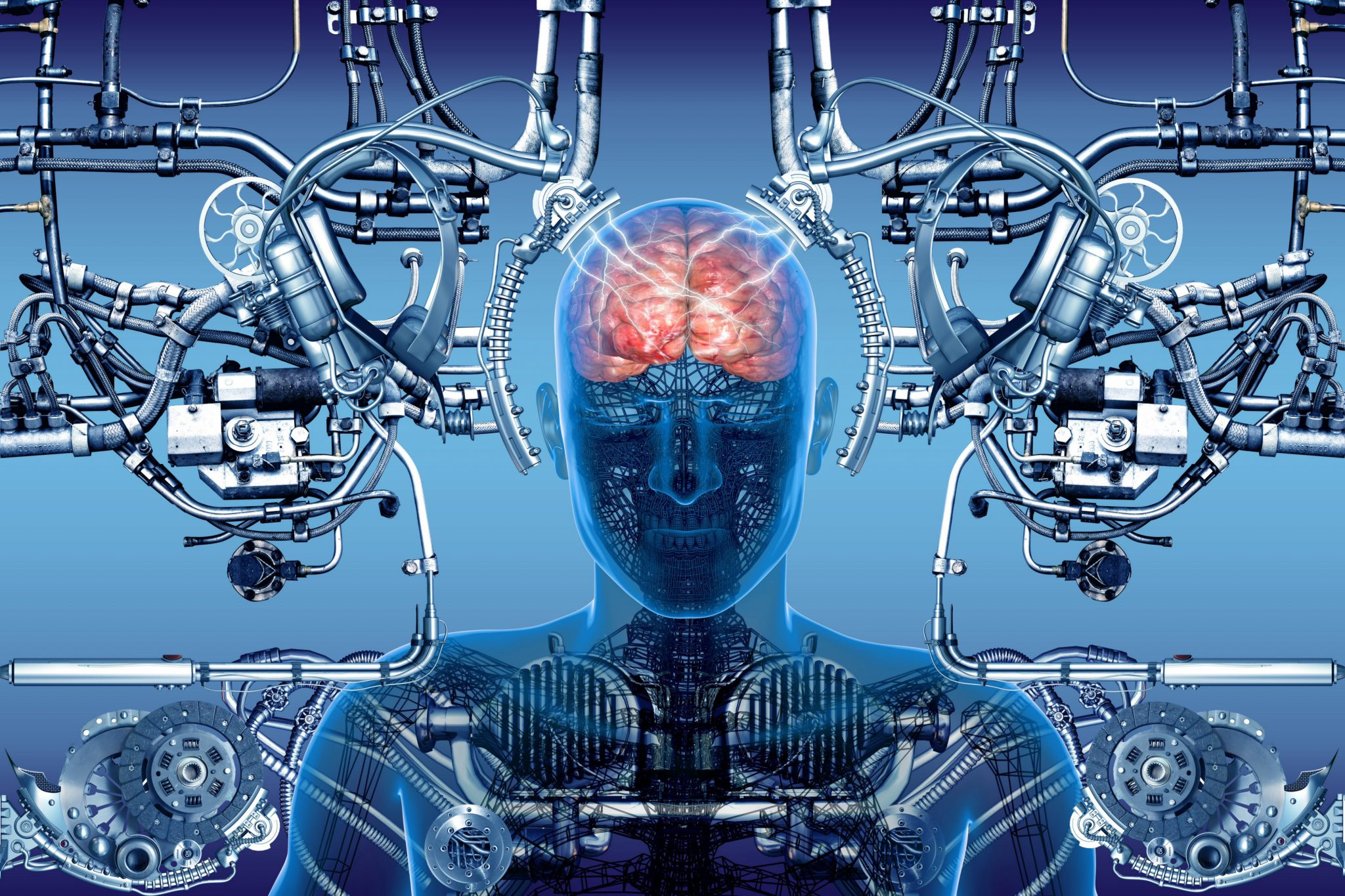
Brain-computer interfaces (BCIs) are revolutionizing the landscape of neurotechnology, promising unprecedented capabilities for interaction between humans and machines. This innovative field, exemplified by pioneering initiatives like Neuralink, focuses on developing systems that translate brain activity into digital commands, enabling users to control devices simply by thinking. As the potential for mind control technology unfolds, BCIs offer remarkable applications, particularly for individuals with disabilities, who can operate computers and prosthetics with newfound ease. However, amid the excitement lies a chilling caution about ethical implications associated with brain chip implants—impacts that could extend to psychological manipulation. As the market for BCIs is estimated to soar, understanding both the benefits and risks is essential as we navigate this transformative frontier of human capability.
Neural interface technologies, often referred to as brain-machine or neural-link systems, represent a significant leap in our ability to connect human cognition directly with digital platforms. These systems allow for real-time data sharing between the brain and external devices, effectively enabling users to control technology through thought alone. This emerging field holds extraordinary promise for enhancing the quality of life for those with physical limitations while also raising critical ethical questions about consent and mental privacy. With the advent of such technologies, discussions surrounding their potential for psychological influence and behavior modification become increasingly pertinent. As we advance, the implications of these developments will require careful examination to ensure they are developed responsibly.
Understanding Brain-Computer Interfaces in Today’s Society
Brain-computer interfaces (BCIs) represent a significant technological advancement with the potential to revolutionize how individuals interact with the digital world. These systems allow users to control devices through neural activity alone, providing hope for people with severe mobility limitations. Companies like Neuralink are at the forefront of this innovation, illustrating how BCIs can transform lives by enabling paralyzed individuals to control a computer cursor or even engage in complex activities like playing chess solely through thought.
Despite their promising applications, BCIs also raise important ethical and psychological concerns. As we delve into this relatively nascent technology, we face challenges regarding privacy, consent, and the potential for misuse. The lessons from the past, particularly those drawn from instances of psychological manipulation and mind control practices, should guide the responsible development of BCI technologies, ensuring that advancements do not compromise individual autonomy or mental health.
Lessons from History: Psychological Manipulation and BCI Technology
The historical context surrounding psychological manipulation provides a critical lens through which to examine the evolution of BCI technologies. During the Cold War, the CIA’s MKUltra program exemplified the darker intentions behind brain control endeavors, using methods that violated human rights and experimented with the very fabric of human consciousness. Such programs serve as a chilling reminder of how advances in neuroscience, without ethical considerations, could become tools for coercion rather than liberation.
Today, as researchers explore the potential of BCIs, we must remain vigilant against similar abuses. The possibility of using neural technology for psychological manipulation echoes the past dilemmas: the temptation to exploit advancements for control rather than healing. Thus, it is imperative that the development of mind control technology conducts thorough ethical evaluations to prevent history from repeating itself and to prioritize the rights and dignity of every individual.
The Promise and Peril of Mind Control Technology
Mind control technology is no longer confined to the realm of science fiction; with the advent of BCIs, we are on the brink of potentially reshaping human cognition and behavior. The implications for societal structures are profound, as these technologies could enable unprecedented levels of influence over thoughts and actions. While the therapeutic applications of BCIs hold immense promise for improving patient outcomes in conditions like paralysis and neurological disorders, the risks associated with their misuse for coercive control cannot be understated.
As we look forward, it is crucial to establish robust regulatory frameworks that safeguard against the risks of psychological manipulation, ensuring that BCI applications are developed with a focus on the well-being and autonomy of users. Conversations surrounding mind control technology must also engage with broader societal concerns, including individual freedom, mental privacy, and the ethics of behavioral alteration. Only through careful consideration can we harness the true potential of these technologies while minimizing their risks to society.
Neuralink’s Innovative Approach to BCIs
Neuralink, co-founded by Elon Musk, is pioneering the field of brain-computer interfaces with its innovative brain chip implant technology. By creating a direct communication pathway between the brain and external devices, Neuralink aims to help individuals with severe neurological impairments regain control over their surroundings. Experiments such as that of Noland Arbaugh, who gained the ability to control a computer mouse through thoughts alone, underline the transformative potential of this technology.
However, the journey towards widespread BCI applications isn’t devoid of challenges. As Neuralink pushes the envelope regarding what can be achieved with brain chip implants, there are significant concerns regarding user safety and the long-term effects of such technology on mental health and cognitive functions. Engaging with ethical discussions surrounding these advancements is vital to ensure they do not replicate past transgressions related to psychological manipulation, but rather serve as instruments for liberation and empowerment.
Ethics and Accountability in BCI Development
As brain-computer interfaces evolve, ethical accountability must be integral to their development process. The potential for misuse of BCI technologies calls for transparent guidelines that dictate their deployment in both clinical and non-clinical settings. Ethical oversight mechanisms are essential to ensure that advancements do not become tools for psychological manipulation, preserving the rights of individuals and protecting them from coercive experiments reminiscent of historical abuses.
Engaging interdisciplinary teams that include ethicists, technologists, and human rights advocates can foster a culture of responsibility as BCI technology progresses. This collaborative approach can lead to the establishment of frameworks that prioritize mental privacy and informed consent, ensuring that individuals have agency over their cognitive information. Ultimately, a collective commitment to ethical rigor in BCI research and application will determine whether these technologies serve humanity positively or potentially lead us down a perilous path.
The Future of Brain-Computer Interface Applications
The future landscape of brain-computer interfaces is filled with possibilities for improving quality of life across various fields, from medical rehabilitation to education and entertainment. As BCI technologies become more sophisticated, they could enable groundbreaking applications, allowing users to seamlessly integrate their thoughts with digital environments. This could transform how people with disabilities interact with the world, as well as create new avenues for artistic expression and communication.
Nevertheless, this bright future is accompanied by cautionary tales from our past. As with any powerful technology, there is potential for BCI applications to be exploited for manipulation or social control. The lessons we draw from prior psychological experiments should imbue our approach to development with a commitment to ethical standards and protections against misuse. Balancing innovation with robust ethical safeguards will be essential to ensure that these advancements benefit society as a whole.
Navigating Challenges in BCI Technology Adoption
Adopting brain-computer interface technology involves navigating a landscape filled with both exciting opportunities and significant challenges. One major hurdle includes public perception and trust, especially in light of historical abuses related to mind control and psychological manipulation. As society grapples with the ethical implications of BCIs, a transparent dialogue about their potential benefits, risks, and regulations is essential to foster acceptance.
Furthermore, the technological complexity of BCIs can pose additional barriers to widespread adoption. Ensuring that these systems are accessible and user-friendly will be critical in their integration into everyday life. Ongoing outreach and education efforts, coupled with evidence demonstrating the positive impacts of BCIs in real-world applications, can mitigate skepticism and encourage adoption among potential users and stakeholders.
Socioeconomic Implications of Brain-Computer Interfaces
The socioeconomic implications of brain-computer interfaces are vast and multifaceted, particularly as these technologies become more mainstream. Depending on accessibility and pricing, BCIs could either bridge gaps in healthcare or exacerbate existing inequalities. If BCIs are solely available to affluent individuals, we risk creating a divide where the benefits of such life-changing technologies are not equitably distributed. Furthermore, considerations about who controls BCI technologies and how data is harvested will shape the landscape of mental privacy and individual rights.
As we move forward, it is vital for policymakers and technologists to collaborate in crafting policies that promote equitable access to BCI advancements. This includes not only ensuring affordability but also addressing potential biases in technology development and implementation. Together, we can strive towards a future where brain-computer interfaces serve the greater good and enhance the quality of life for all individuals, regardless of socioeconomic status.
Preparing for Ethical Challenges in Future BCI Research
As research into brain-computer interfaces accelerates, preparing for the ethical challenges that accompany this technology is paramount. The potential for abuse, such as psychological manipulation, necessitates proactive measures to ensure safeguards are in place. Researchers and developers must be vigilant in creating and adhering to ethical guidelines that prioritize informed consent, mental privacy, and respect for autonomy. Engaging with communities and stakeholders throughout the development process can foster a more inclusive approach to addressing ethical concerns.
Additionally, establishing frameworks for accountability can help deter potential misconduct in BCI research. Institutions must commit to transparency in research practices and actively involve ethicists and human rights advocates in overseeing developments. By preemptively addressing potential ethical issues, we can navigate the complexities of brain-computer interface technology, ensuring that it enhances human capabilities without infringing upon individual rights and freedoms.
Frequently Asked Questions
What are brain-computer interfaces (BCIs) and how do they work?
Brain-computer interfaces (BCIs) are advanced neurotechnology systems that enable direct communication between the brain and external devices. They work by capturing brain signals through electrodes, which are then decoded and translated into commands that control devices like computers or prosthetics. This technology has transformative potential, particularly for individuals with disabilities, by allowing them to control devices with their thoughts.
How has Neuralink contributed to the development of brain-computer interfaces?
Neuralink, a company founded by Elon Musk, has made significant strides in the field of brain-computer interfaces (BCIs). Their innovative brain chip implant allows users, such as paralyzed individuals, to control devices directly with their minds. By merging neurotechnology with AI, Neuralink aims to enhance human capabilities and provide new treatments for neurological disorders.
What ethical concerns are associated with mind control technology and brain-computer interfaces?
Ethical concerns surrounding brain-computer interfaces (BCIs) and mind control technology include issues of consent, mental privacy, and potential misuse. Historical examples, such as the CIA’s MKUltra program, highlight the dangers of psychological manipulation. As BCIs gain traction, there is fear that such technologies could be used for non-consensual control or behavior alteration, raising critical questions about individual autonomy.
Can brain-computer interfaces be used for psychological manipulation?
While brain-computer interfaces (BCIs) are primarily designed for therapeutic use, there is concern that they could inadvertently enable psychological manipulation. As BCIs can decode thoughts and potentially alter behavior, the same capabilities could be misused for harmful purposes, echoing historical instances like the Cold War’s experiments in mind control. Ensuring ethical standards and oversight is crucial as this technology advances.
What are the potential applications of BCIs in healthcare?
Brain-computer interfaces (BCIs) hold immense potential in healthcare, particularly for individuals with disabilities. They can help users control prosthetic limbs, operate computers, or communicate through thought alone. BCIs are also being explored for applications in treating neurological conditions such as Parkinson’s disease, allowing for targeted stimulation of brain regions to alleviate symptoms and enhance quality of life.
What challenges does Neurotechnology face as it pertains to brain-computer interfaces?
Neurotechnology, especially in the realm of brain-computer interfaces (BCIs), faces multiple challenges including technical hurdles, ethical considerations, and regulatory scrutiny. Achieving reliable and safe signal decoding, ensuring user consent, and preventing misuse are critical issues. As the field progresses, maintaining a balance between innovation and ethical responsibility is essential to harness the benefits of BCIs.
What impact might brain chip implants have on human cognition and behavior?
The introduction of brain chip implants through technologies like brain-computer interfaces (BCIs) may significantly alter human cognition and behavior. While they can enhance communication and control over devices, there are concerns about unintended behavioral changes due to brain stimulation. Historical data suggests that such interventions might lead to unexpected side effects, highlighting the need for careful monitoring and ethical considerations.
| Key Point | Details |
|---|---|
| Introduction of BCI | On Jan. 28, 2024, Noland Arbaugh became the first recipient of a Neuralink brain chip implant, enabling him to control devices with his mind. |
| Potential Benefits | BCIs could assist individuals with disabilities in controlling prosthetic limbs, operating computers, and enabling communication. |
| Market Potential | The estimated market for BCIs in the U.S. is around $400 billion, considering the prevalence of injuries and disabilities. |
| Warning from the Past | A paper from the Carr Center for Human Rights highlights historical abuses related to mind control, paralleling current BCI advancements. |
| Ethical Concerns | The potential for misuse of BCI technology raises issues regarding consent, mental privacy, and behavioral manipulation. |
| Continued Development | Despite ethical reservations, further development of BCIs is advocated to keep pace with international advancements. |
Summary
Brain-computer interfaces (BCIs) represent a transformative leap in technology that has the ability to impact countless lives, particularly those with disabilities. While these devices hold promise for significant advancements in personal autonomy and communication, they also come with important ethical considerations reminiscent of historical abuses in psychological manipulation. As the development of BCIs continues, it is imperative to address these concerns head-on to ensure that the technology is used responsibly and for the benefit of all.